The One Thing Runners and Older Adults Have in Common
When we think about balance, we often focus on the hips or the core. But one of the most overlooked areas is right under our bodies: the feet.
Whether you're a runner logging miles each week or an older adult trying to stay steady and independent, the muscles inside your feet play a bigger role than most people realize.
What Are the Intrinsic Foot Muscles?
The intrinsic foot muscles are small stabilizing muscles that live entirely within the foot. Unlike larger muscles that originate in the lower leg, these muscles start and end inside the foot itself.
Their job is to:
Maintain the arch of the foot
Provide stability during standing and walking
Help control fine foot movements
Send important sensory information to the brain about ground contact
In simple terms, they help your feet adapt, stabilize, and communicate with the rest of your body.
Why These Muscles Matter for Balance
When intrinsic foot muscles become weak, the foot can lose some of its natural stability. Over time this may contribute to:
Poor balance
Less efficient walking mechanics
Decreased foot control during movement
Increased fall risk
This makes sense when you think about it. Your feet are the first point of contact with the ground, so the quality of that contact directly influences how stable you feel when standing or walking.
For older adults, improving foot strength can mean greater confidence, better balance, and reduced risk of falls.
Why Runners Should Care About Foot Strength
While fall prevention is a major concern for older adults, runners benefit from intrinsic foot strength in a different way.
Running places repetitive load through the foot thousands of times per run. The intrinsic foot muscles help:
Support the arch during stance
Absorb and distribute forces
Maintain foot stability on uneven terrain
Improve overall running efficiency
When these muscles are weak or undertrained, runners may rely more heavily on passive structures like ligaments and plantar fascia. Over time, this can contribute to common running issues such as:
Plantar fasciitis
Foot fatigue during longer runs
Poor push-off mechanics
Reduced running efficiency
Strong intrinsic foot muscles essentially act like a built-in support system, helping the foot manage the repeated stress of running.
Simple Exercises to Strengthen the Feet
The good news is that these muscles respond well to targeted training. Some simple exercises include:
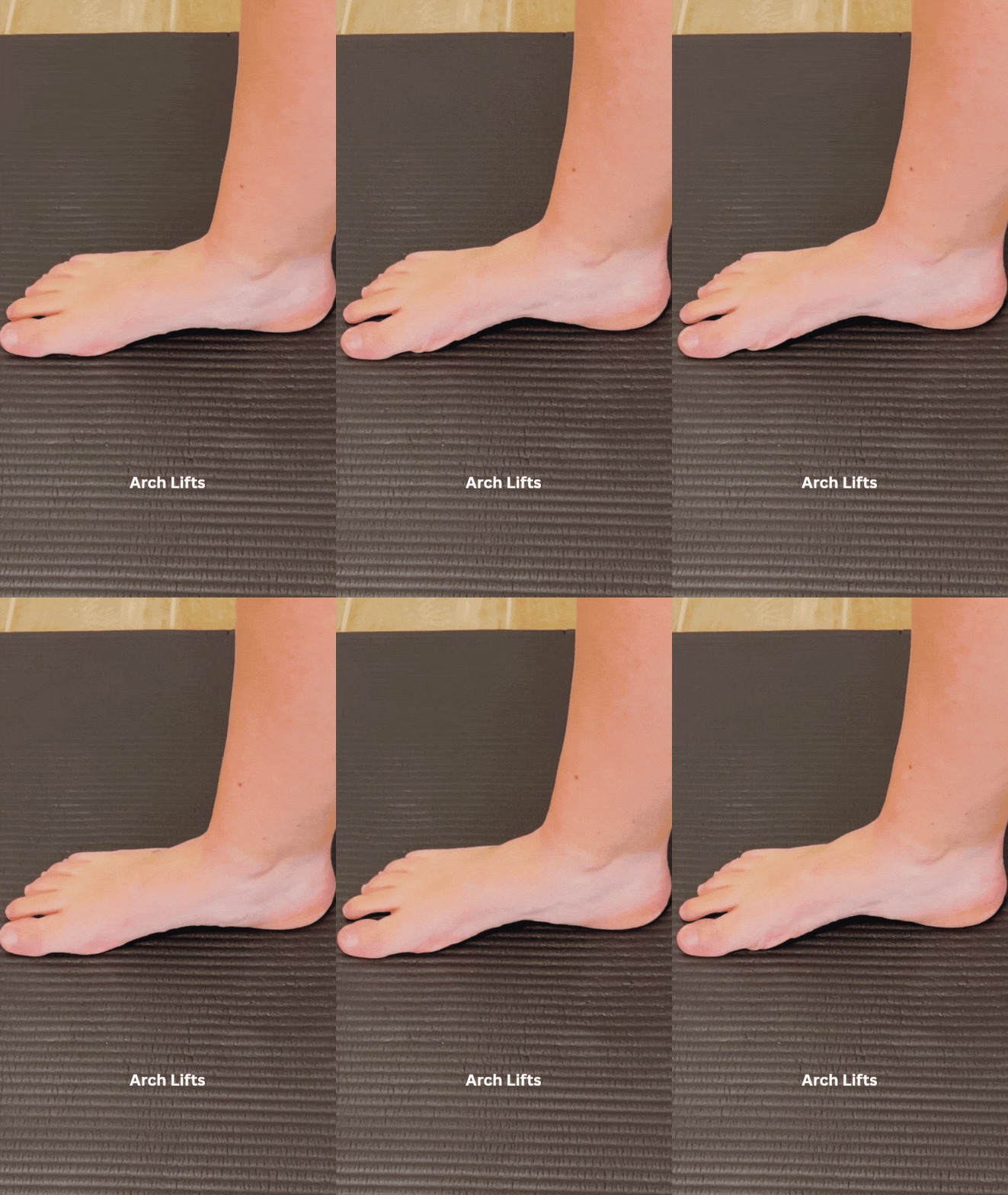
Short Foot Exercise (Arch Lift)
Gently lift the arch of the foot without curling the toes.
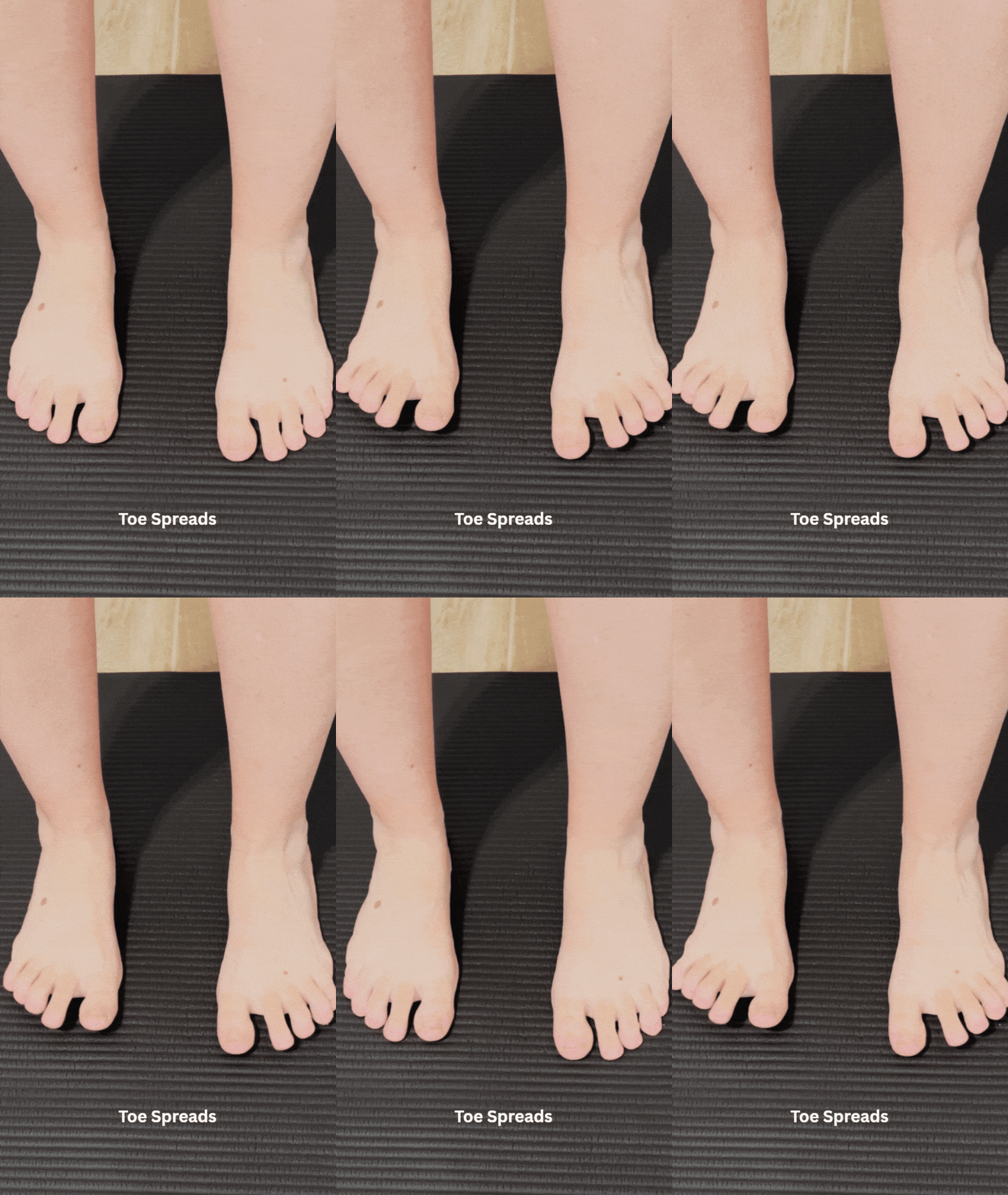
Toe Spreading
Actively spread the toes apart to improve muscle activation and control.
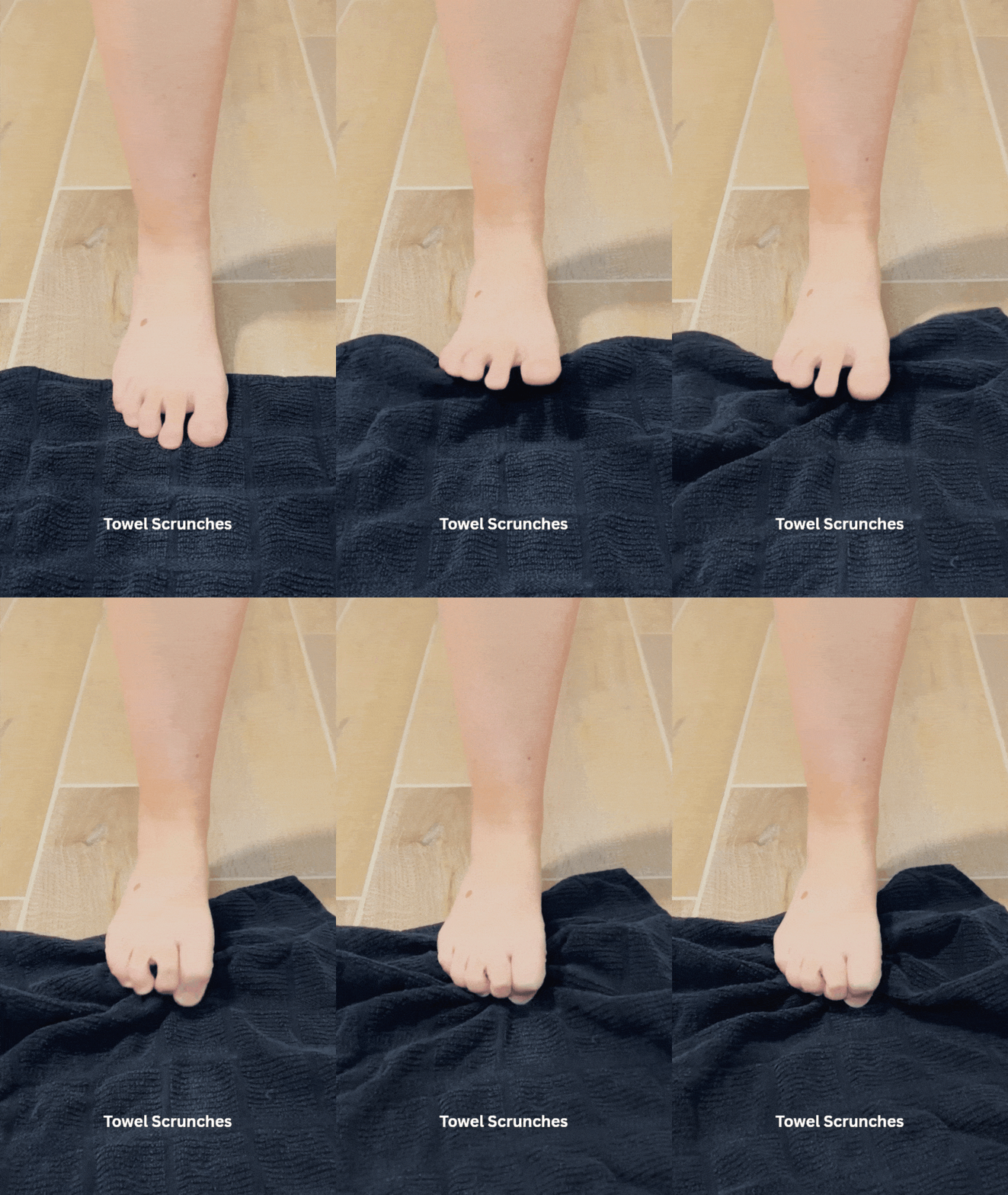
Towel Scrunches
Use the toes to pull a towel toward you while seated.
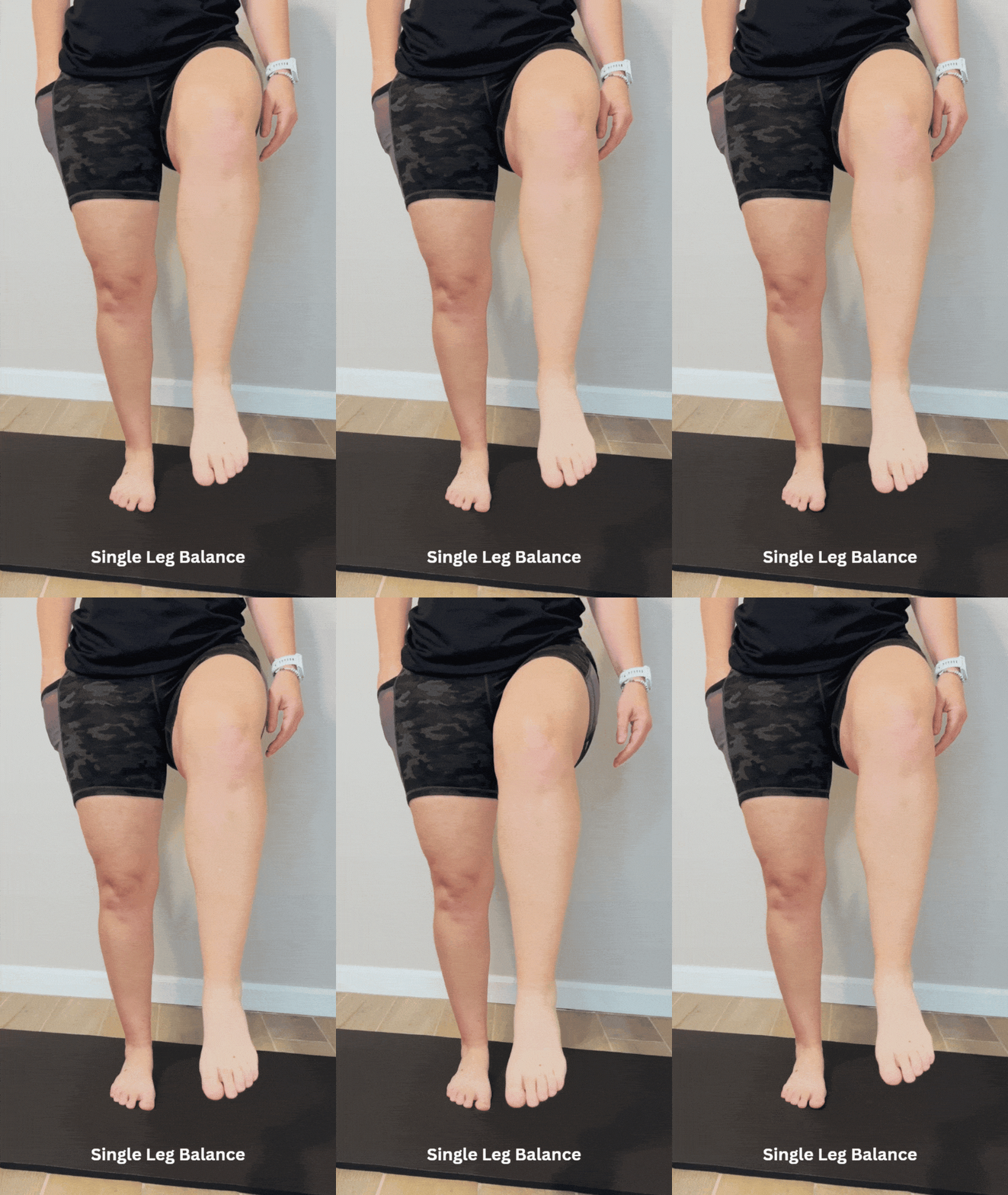
Barefoot Balance Work
Standing on one foot without shoes challenges the intrinsic muscles to stabilize the foot.
These exercises may seem small, but they can make a meaningful difference over time.
The Bigger Picture
In physical therapy, it's easy to focus on the larger muscle groups: the hips, the glutes, and the core. Those areas absolutely matter. But sometimes the smallest muscles have the biggest impact on movement quality and safety.
For older adults, stronger feet can help improve balance and reduce fall risk. For runners, stronger feet can improve efficiency and help manage the repeated stresses of training.
Either way, the message is the same: don’t neglect the feet!
Want to Keep Moving Well for Years to Come?
Whether you're a runner logging miles each week or someone who simply wants to stay strong and independent as you age, building strength in the right places can make a big difference.
If you're interested in going deeper, you can explore my strength programs designed specifically for runners, or learn more about my book Move Well After 50, where I explain the principles that help people stay strong, balanced, and active for life.
For the Runners - For the Runners — Finding Fortitude
For the Older Adults - Move Well After 50 — Finding Fortitude