My 7 Favorite Mobility Exercises for Runners
Most people think mobility is just stretching, but it’s actually a completely different concept. Flexibility (stretching) refers to how far a muscle or joint can move when something else moves it such as gravity, a strap, or your hands. Mobility is your ability to move a joint through a range of motion under your own control. This distinction is key: you are in control.
Runners need to have good control through different ranges of motion for several reasons:
Reduce risk for compensation and overuse injuries
Help your body absorb load efficiently during impact
Improve running efficiency
Keep running comfortably long-term
Promote tissue extensibility when the body fatigues during running
Help with recovery
Listed below are my 7 favorite mobility exercises for runners, what they address, how they help, and exercise prescription dosage. Let’s start at the ankles and work our way up to the spine.
Ankles
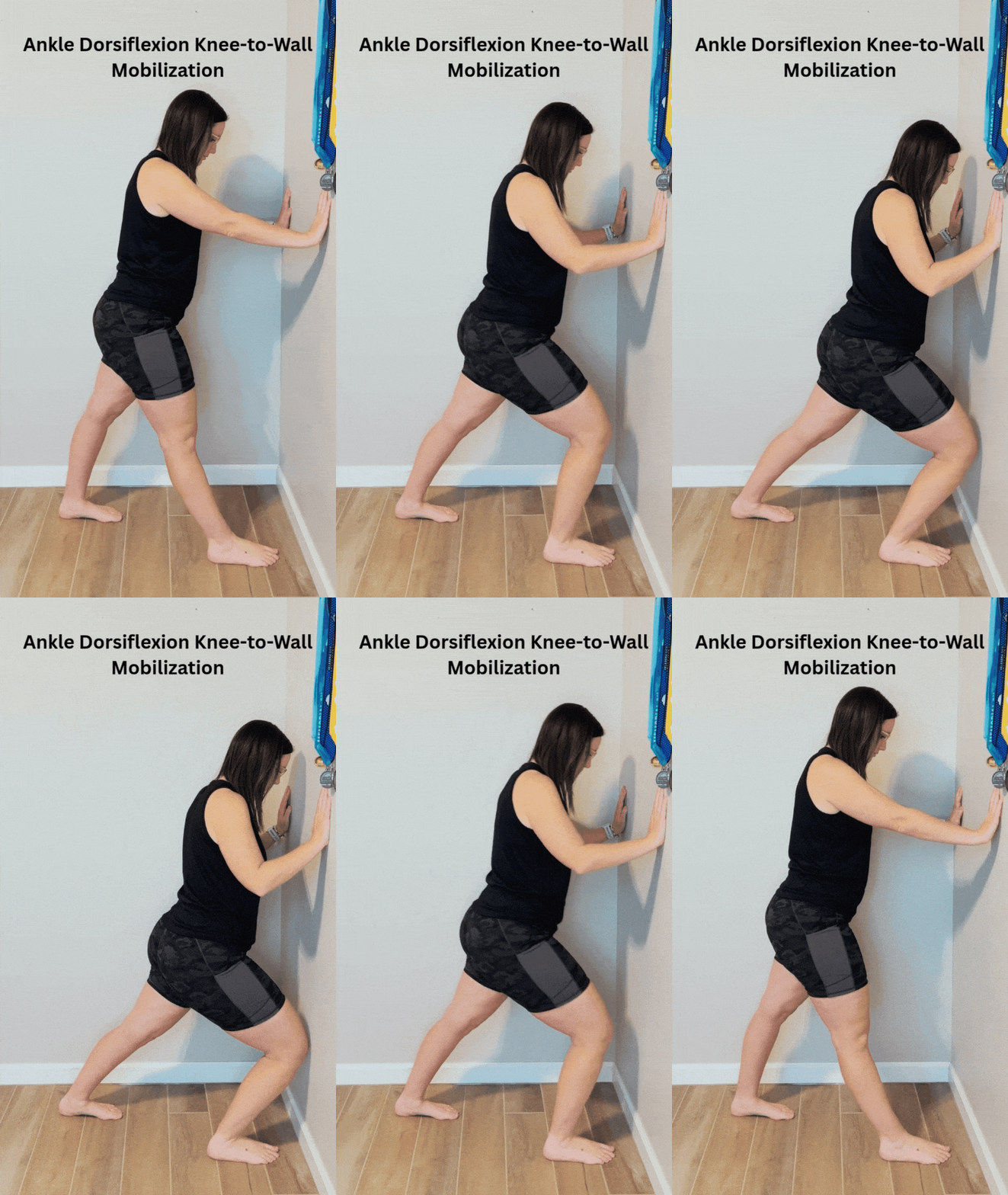
Ankle Dorsiflexion Knee-to-Wall Mobilization
This drill improves ankle dorsiflexion, which is the ability for the knee to move forward over the foot. Runners need adequate dorsiflexion to absorb impact during landing and move smoothly over the foot during stance phase.
The front leg works on ankle joint mobility as the knee moves forward over the toes. Keeping the back leg as straight as you can with the heel down stretches the entire gastrocnemius–soleus complex, maintaining calf mobility for shock absorption and push-off.
Limited dorsiflexion often leads to compensations higher up the chain, including stress at the knee, Achilles tendon, or plantar fascia.
How to do it
Stand facing a wall with one foot a few inches away.
Keep the front heel flat on the ground.
Slowly drive your knee forward toward the wall.
Keep the back leg straight with the heel down.
Return to the starting position and repeat.
Dosage: 10–15 repetitions per side
Hips and Knees
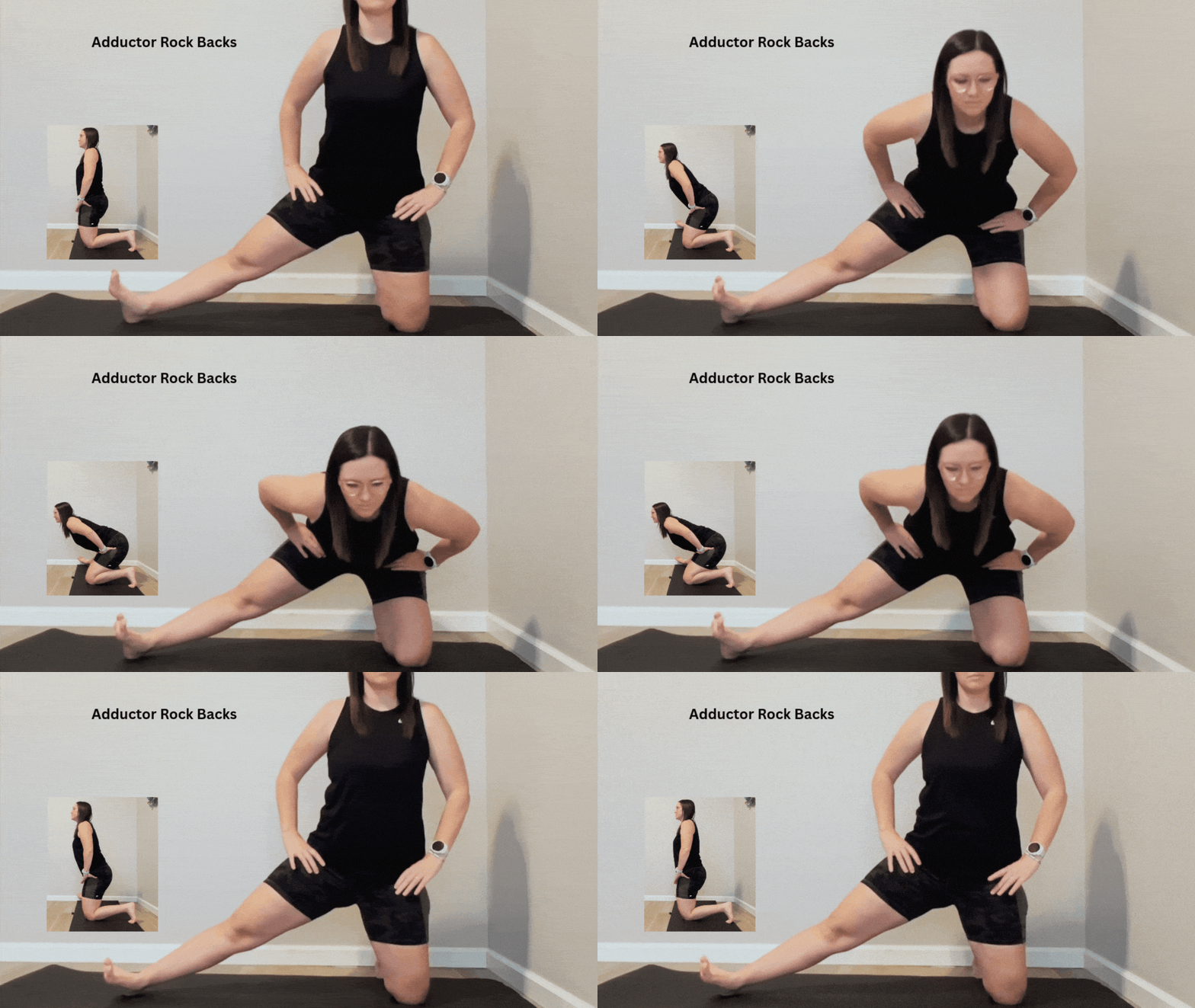
The adductors are often overlooked, yet they are the strongest muscles when you squat and contribute greatly to knee and pelvic stability. For runners, they help control the leg during stance and assist with propulsion.
This mobility exercise improves inner thigh flexibility while allowing controlled hip movement.
How to do it
Start on your hands and knees.
Extend one leg straight out to the side.
Keep your spine neutral and slowly rock your hips backward.
Return to the starting position.
Dosage: 10–12 repetitions per side
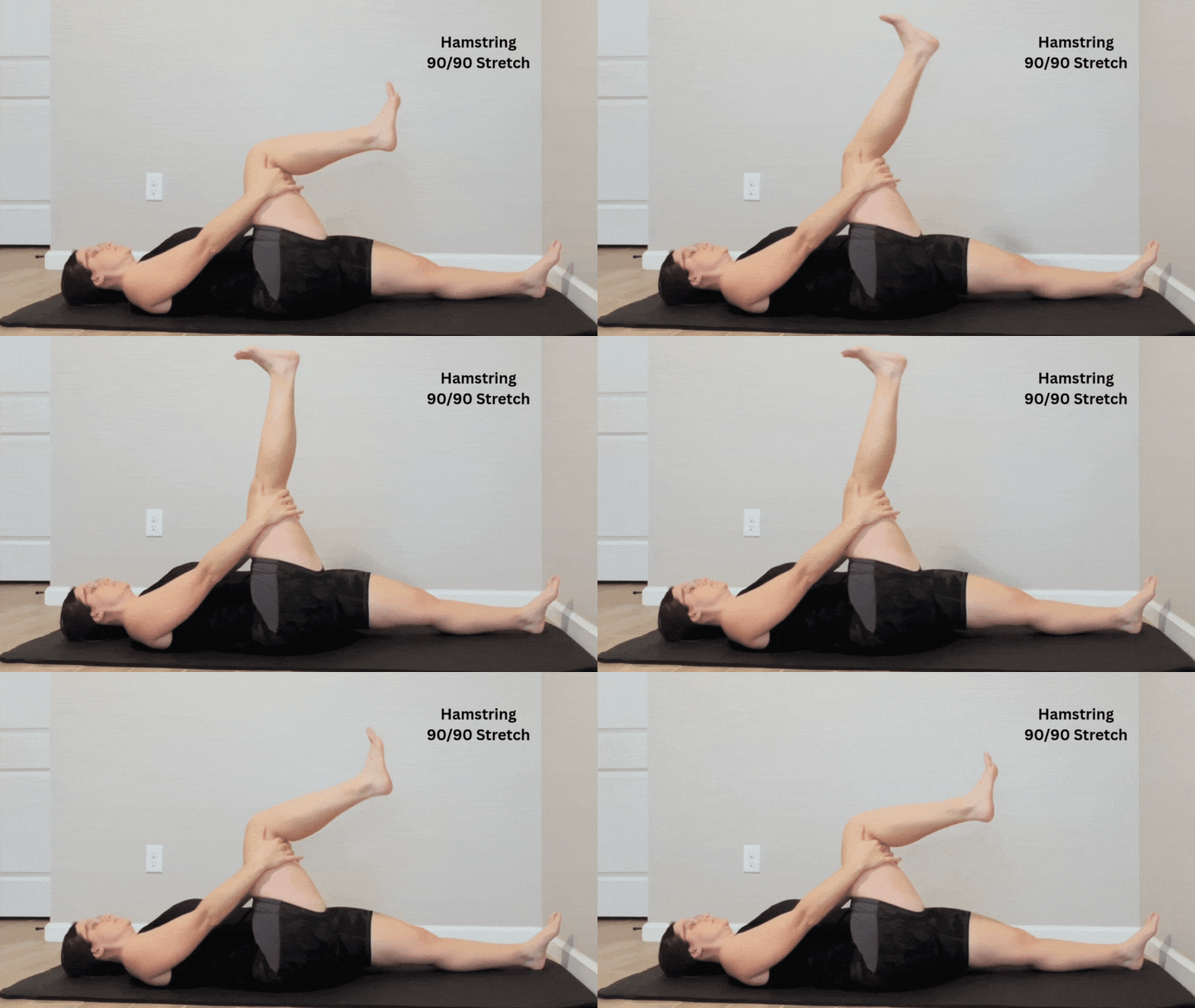
It’s hard to find a runner who doesn’t have tight hamstrings. Sitting all day often shortens these muscles, making mobility challenging.
The 90/90 hamstring exercise improves hamstring mobility while keeping the movement active, rather than relying on passive stretching alone.
How to do it
Lie on your back with one hip and knee bent to 90 degrees.
Hold behind your thigh.
Slowly extend your knee until you feel a stretch in the back of your leg.
Lower the leg and repeat.
Dosage: 8–12 repetitions per side
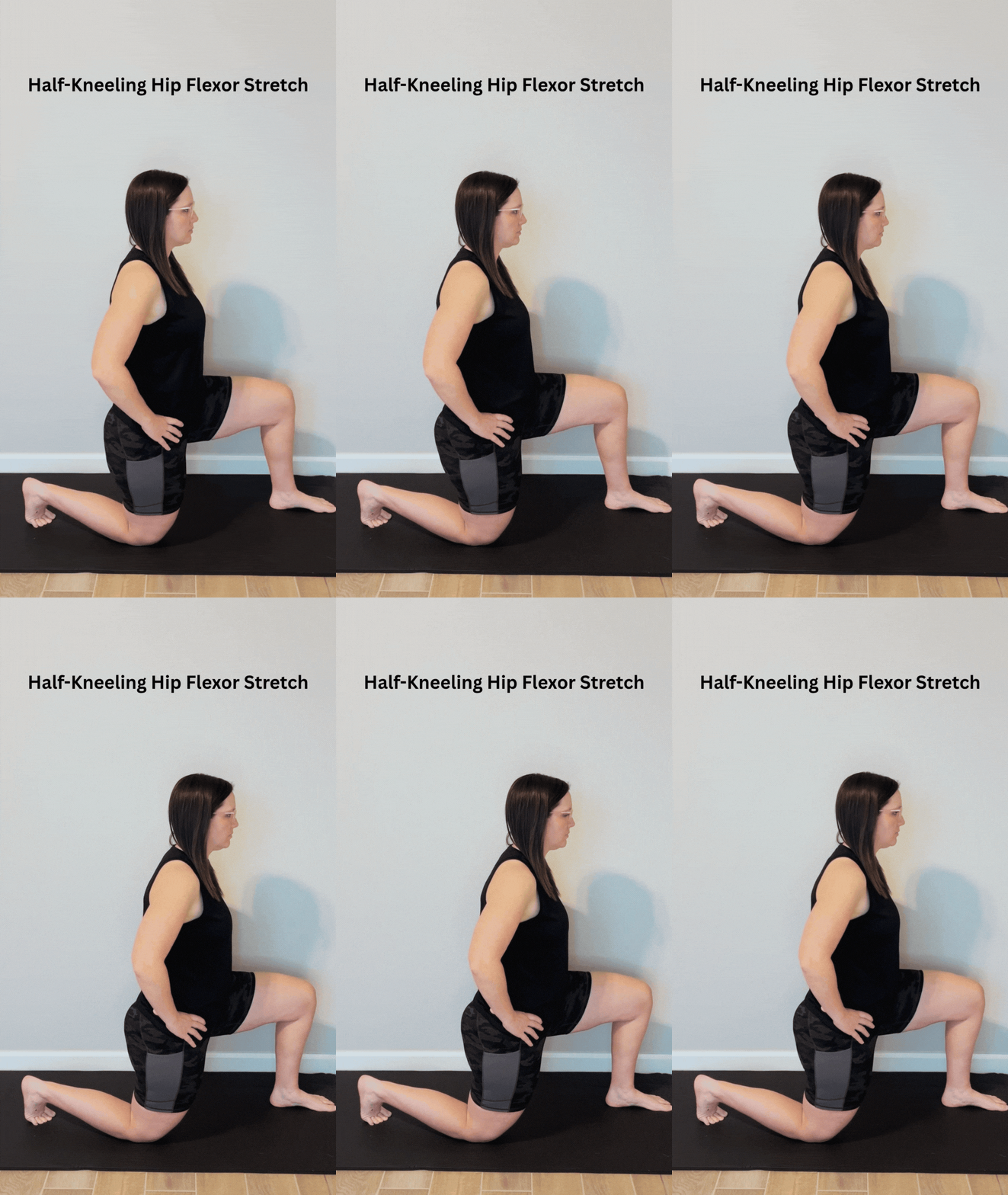
Half-Kneeling Hip Flexor Stretch
Hip flexors need to be strong AND mobile. You need strong hip flexors to drive the knee forward and mobile hip flexors so your trailing leg can move through its full range during push-off.
How to do it
Start in a half-kneeling position.
Tuck your pelvis slightly (posterior pelvic tilt).
Gently shift your body forward until you feel a stretch in the front of the hip.
Avoid arching your lower back.
Dosage: 20–30 second hold, 2–3 repetitions per side
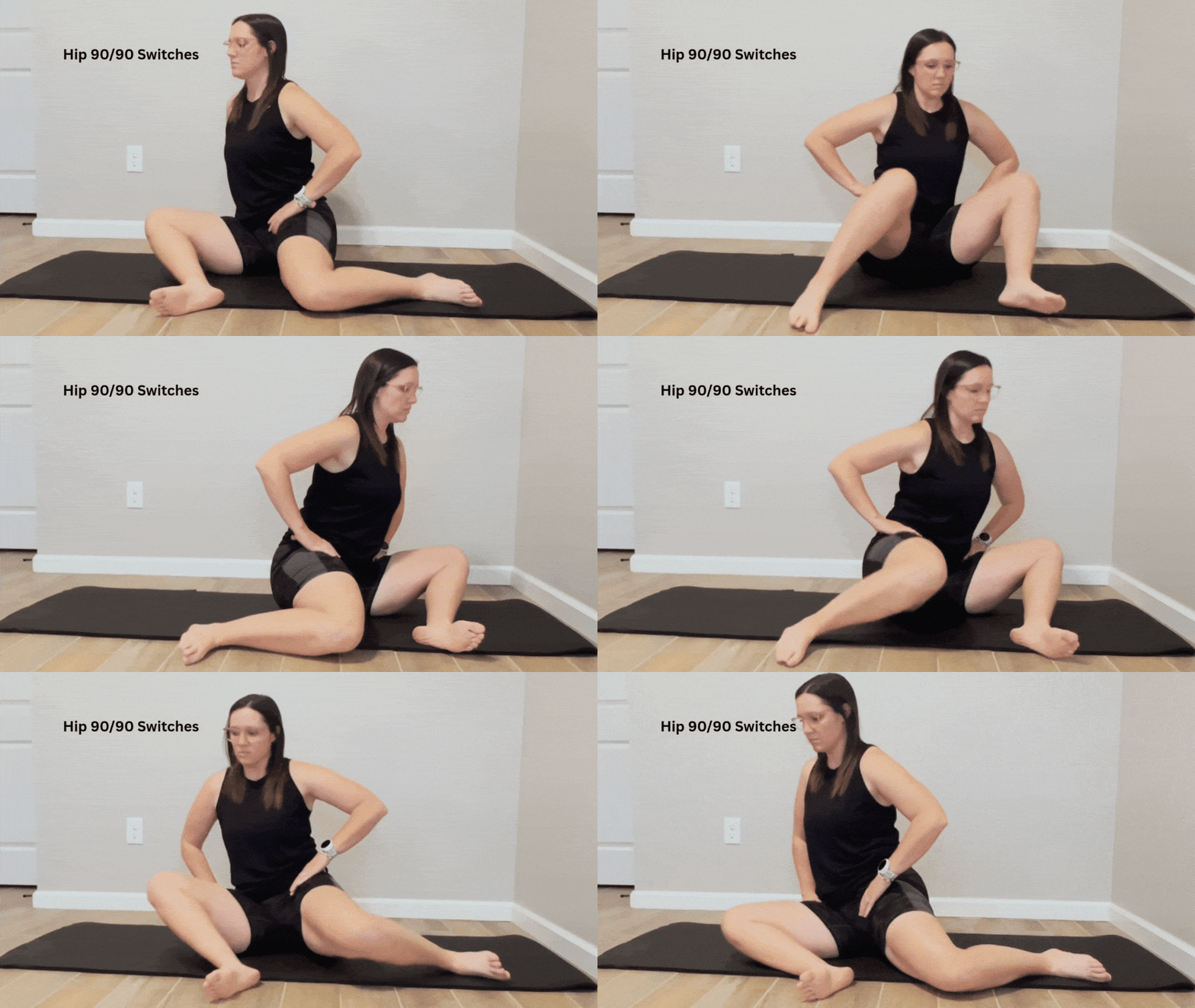
Hip rotation often gets overlooked. Many runners lack adequate internal rotation, while some have insufficient external rotation.
The 90/90 hip switch improves both internal and external hip rotation, helping runners maintain smooth leg rotation without compensations at the knee or lower back.
How to do it
Sit on the floor with both knees bent at 90 degrees.
Rotate both knees to the opposite side while keeping your chest tall.
Move slowly and under control.
Dosage: 8–10 controlled repetitions per side
Spine
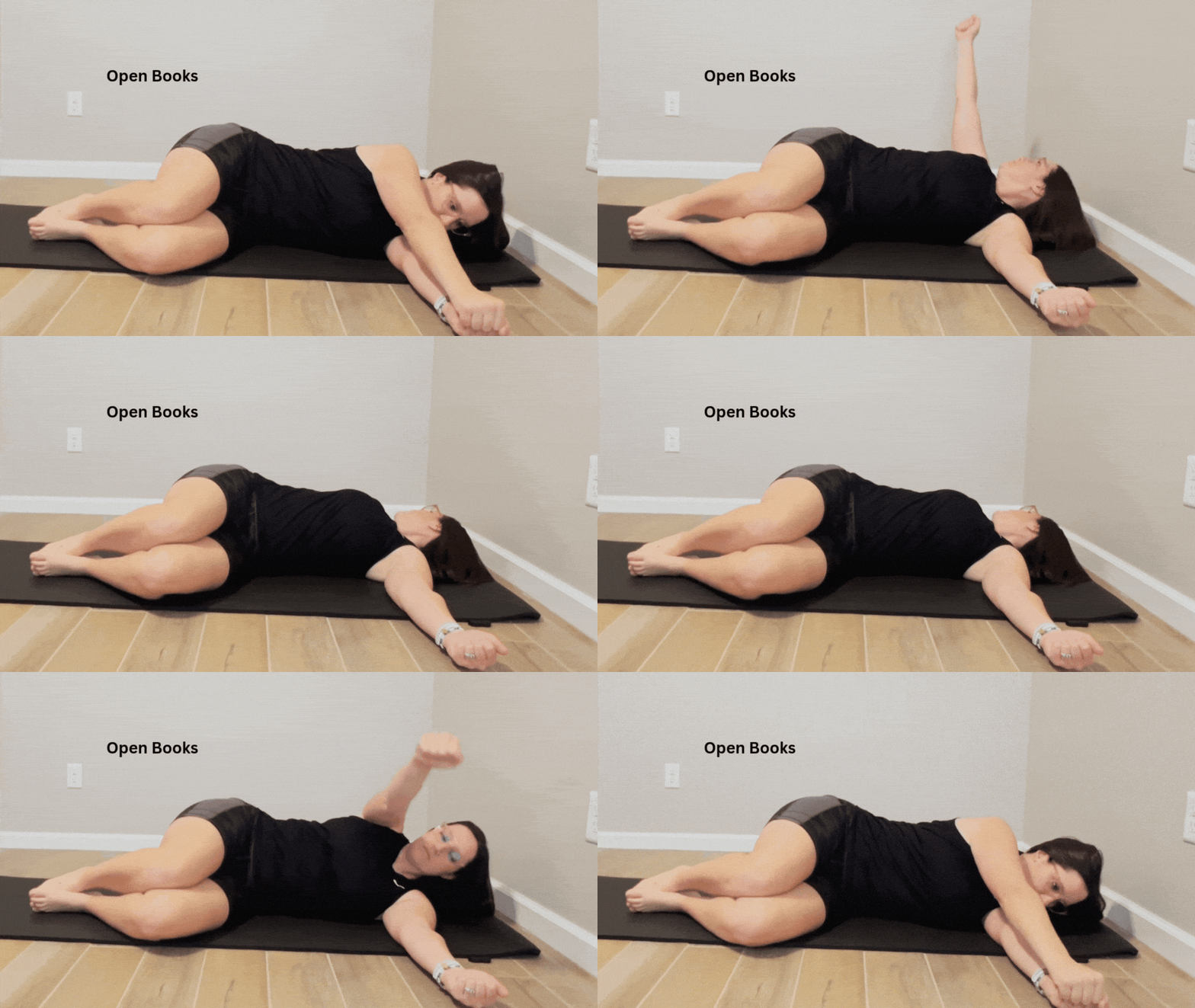
The thoracic spine is the middle part of your spine, between the neck and low back. Stiffness here forces other areas to compensate, leading to strain in the lower back and shoulders.
Open books improve thoracic rotation mobility, which contributes to efficient posture and arm swing while running.
How to do it
Lie on your side with knees bent.
Extend both arms in front of you.
Slowly rotate the top arm across your body toward the floor behind you.
Follow your hand with your eyes.
Dosage: 8–10 repetitions per side
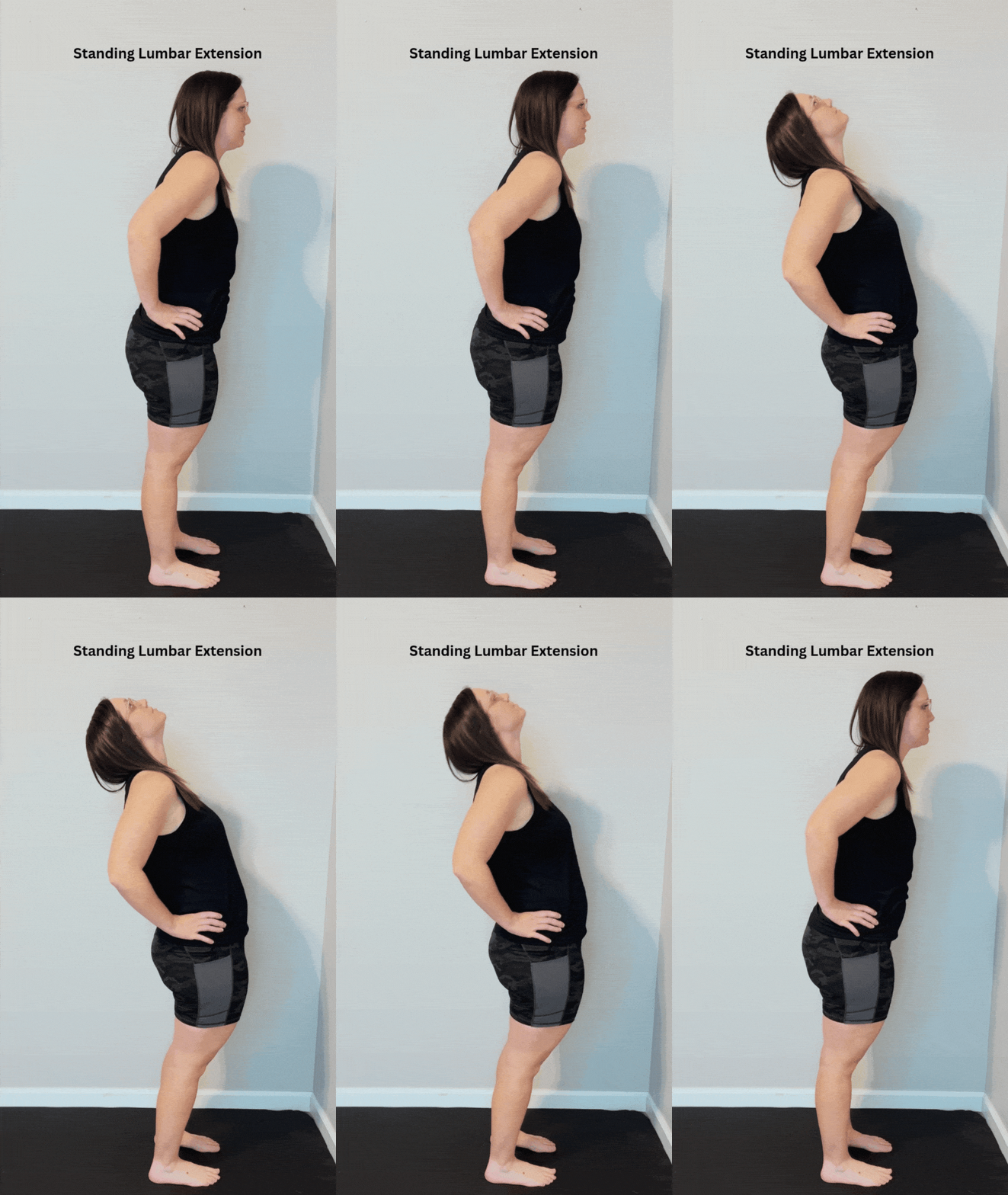
Most people never reach full lumbar extension each day. This movement, leaning backward, helps maintain lower back mobility, which is often lost from sitting and running.
How to do it
Stand with feet shoulder-width apart.
Place your hands on your hips or lower back.
Gently lean backward as far as feels comfortable.
Return to upright.
Dosage: 8–10 repetitions
How to Use This Routine
This mobility routine is designed to be quick, simple, and repeatable. Here’s how to get the most out of it:
Frequency: Perform 2–4 times per week, either before a run as a dynamic warm-up or after a run to restore movement.
Reps & Holds: Follow the recommended reps or hold times for each exercise. Focus on control and quality, not speed.
Progression: Gradually increase range of motion as mobility improves.
Consistency Over Duration: Even 5–10 minutes per session has a meaningful impact when performed regularly.
Mobility doesn’t have to be complicated or time consuming to be effective. A few targeted exercises performed consistently can go a long way toward maintaining healthy joint motion and helping your body tolerate the repetitive demands of running.
The goal of mobility work isn’t to force your body into extreme ranges of motion. Instead, it’s about maintaining the movement options your body needs to run efficiently, absorb load well, and stay resilient over time.
These seven exercises address the key areas runners tend to lose mobility—ankles, hips, and spine. Incorporating them into your routine a few times per week can help you move better, recover more effectively, and keep running comfortably for the long haul.
Consistency matters more than perfection. A short mobility routine done regularly will provide far greater benefit than occasional long stretching sessions.