Finding Fortitude Physical Therapy
Helping you dig deep and find the fortitude it takes to become the PT your patients trust.
Welcome
Most physical therapy students don’t realize it at first. You start PT school excited, motivated, and ready to learn everything you can. You take in anatomy, special tests, diagnoses, interventions, all piece by piece, trying to do your best to keep up.
But somewhere along the way, it starts to feel like the pace never really slows down. There’s always another lecture. Another exam. Another list of things you’re expected to remember.
And the deeper you get, the more it can feel like everything is just slightly out of reach, like you understand the pieces, but you haven’t quite had the time to see how they fit together.
Then you step into the clinic and suddenly it’s not about knowing the information. It’s about using it, in real time, with real patients, in real situations that don’t always look like the textbook.
That gap between knowing and thinking like a clinician is where a lot of students quietly struggle.
And don’t think it’s because you aren’t working hard enough. It’s mostly because PT school rarely gives you enough time to slow down and truly connect the dots.
That’s what this space is for.
This is a place to slow things down just enough to make sense of it all and start thinking like the clinician you’re becoming.
Your Friendly Neighborhood Clinical Instructor
Untangling the web of orthopedic clinical reasoning for PT students and new grads.
Orthopedics can feel overwhelming when it’s presented as isolated pieces:
Special tests
Diagnoses
Protocols
Exercise progressions
Impairments
But in real clinical practice, none of these exist alone. Everything is connected.
Your patient’s history influences your examination. Your examination shapes your differential diagnosis. Your diagnosis
guides your plan of care. And your reasoning behind all of it is what builds clinical confidence and patient trust.
Here, the focus is on learning how to think through those connections, not just memorize them.
What You’ll Find Here
This is not a place for quick fixes or rigid formulas.
It’s a place to learn how orthopedic physical therapy actually
works in real clinical decision-making.
You’ll find:
—Clinical Roadmaps
Structured approaches to common orthopedic presentations
—Exercise Library
A growing collection of practical exercises organized by body region
—Practical Clinical Concepts
The things often rushed or skipped during clinical rotations
—Field Notes (COMING SOON)
Simplified breakdowns of diagnoses, patterns, and reasoning
Everything is designed to help you slow things
down and see the bigger picture.
Find Your Fortitude
Becoming a trusted clinician takes more than knowledge. It takes time. Experience. Repetition. And yes, fortitude.
There’s a moment every PT student and new grad runs into where it feels like everyone
else is moving faster, thinking faster, putting it all together more smoothly. I know, I’ve been there.
In reality, most people are just in different stages of the same process.
You don’t have to rush that process.
Be patient with yourself while things start to connect. It’s okay if it doesn’t all click at once.
It rarely does. There are diagnoses that even seasoned clinicians struggle with. So don’t be hard on yourself.
What matters is that you keep showing up, keep thinking, and
keep trying to understand the why behind what you’re learning.
You don’t need to have it all figured out right now. You just need a way
to start thinking like a clinician and the time to grow into one.
Welcome to Finding Fortitude Physical Therapy. I’m so glad you’re here.
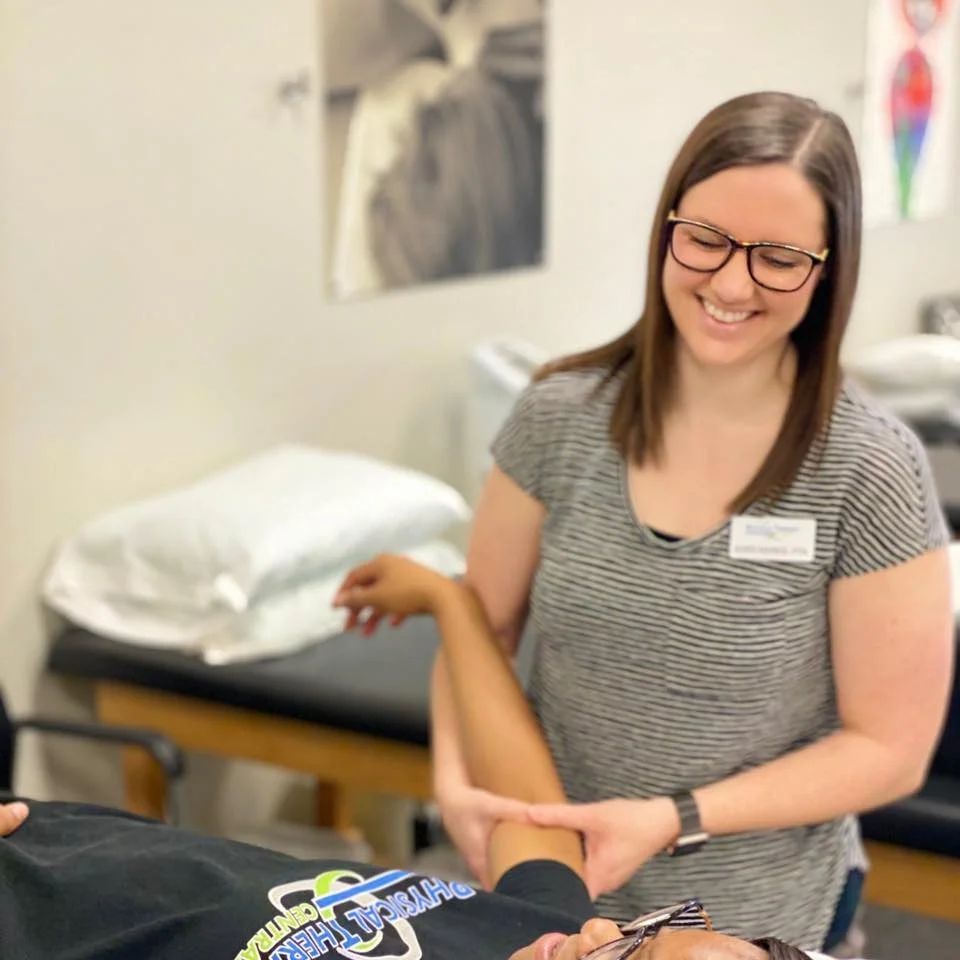
How to Think
Like a Clinician
A good physical therapist doesn’t
just recognize patterns.
They understand why the pattern exists.
That’s what builds confidence. Not memorizing more information but organizing what you
already know in a clear way.
The goal here is simple.
I’m going to help you go from
“What do I do next?” to “Here’s why I’m doing it.”
Start Learning Now
Explore the current range of Clinical Roadmaps designed to help you start putting the pieces together.

Clinical Roadmap: Lumbar Disc Herniation with Sciatica - PT Evaluation and Treatment Guide
Clinical Roadmap: Recognizing Lumbar Facet Dysfunction
Lumbar Radiculopathy: Clinical Roadmap for Diagnosis and Decision-Making
Lumbar Spinal Stenosis: A Clinical Roadmap for Students and New Grads
Clinical Roadmap: Understanding Non-Specific Low Back Pain

Clinical Roadmap: Sacroiliac Joint Dysfunction - How Experienced Clinicians Actually Identify It
Beyond Being a Clinical Instructor
While I'm passionate about helping PT students grow
into confident clinicians, I'm also an outpatient
orthopedic physical therapist who enjoys working
with runners and active adults over 50.
If you're here as a patient, runner, or someone looking to stay
active as you age, I've created a few resources for you, too.
For Runners
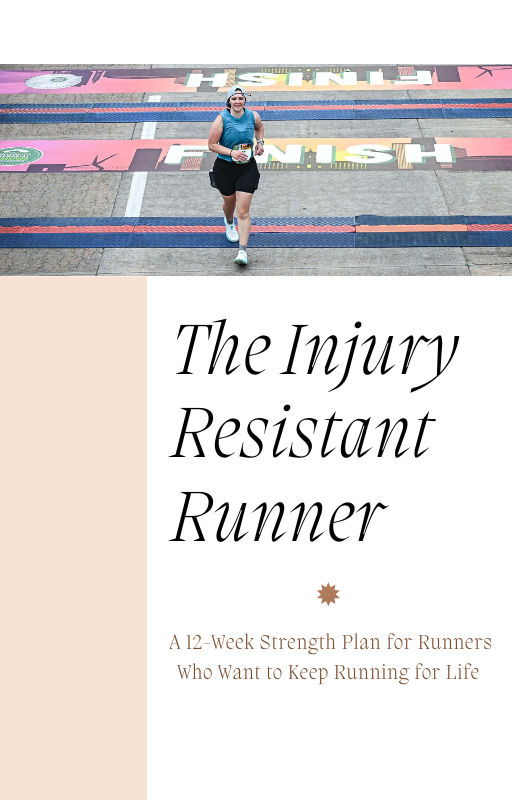
Explore my Injury Resistant Runner resources, designed to help runners build strength, reduce injury risk, and stay on the road longer.
Move Well After 50
Practical guidance to help active adults build strength, move
with confidence, and continue doing the things they love.